Recovering from injury or illness

Recovering from injury or disease is a complex process that takes time. Our posture often changes in some way to adapt to restrictions that are helping us heal: swelling and pain, for example, or medical splinting or bandaging.

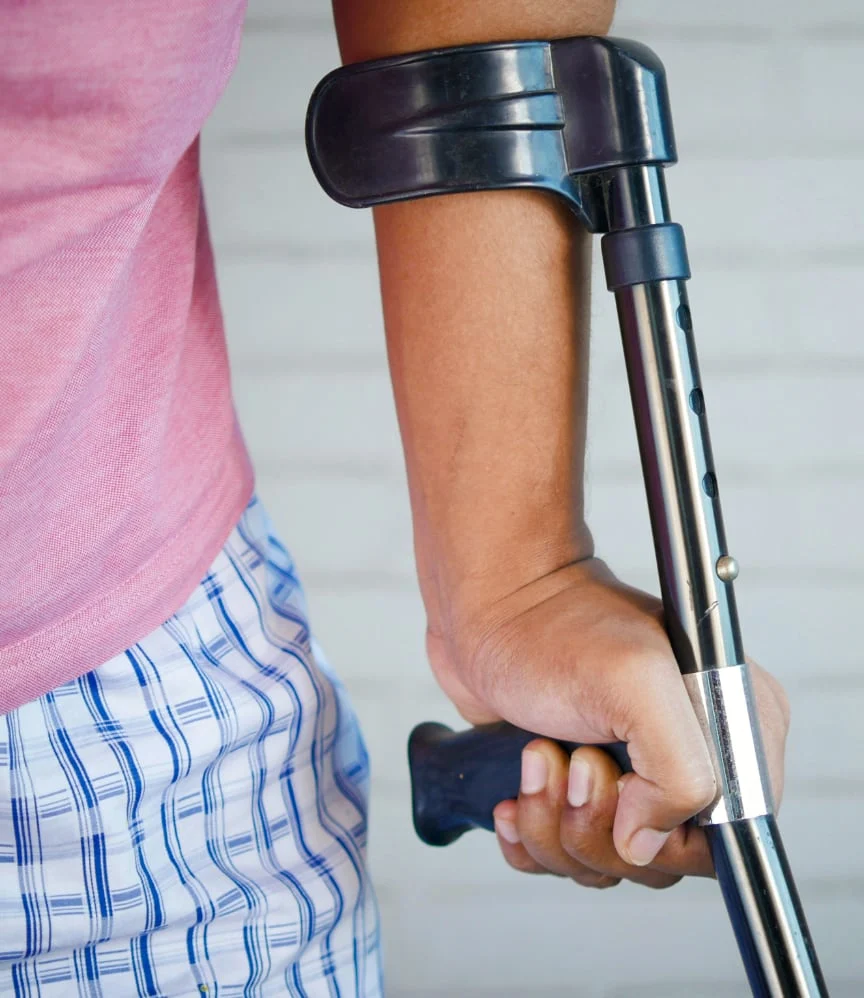
Hand holding a forearm crutch

Because of the phenomenon of neuroplasticity, these adaptive organisational patterns can become habitual and liable to persist long after the structures have healed.

The Feldenkrais Method® can help us to recognise and move out of these adaptive habits so that we recover more fully, and often more quickly, to our pre-injury level of function. And in the case of life-changing injuries it can help us adapt to a new situation.

I have helped people to:

  • Recover functions lost after a stroke
  • Find back their personal movement “style” after joint replacements
  • Recover from and avoid recurrence of sports injuries
  • Recover confidence to move freely after whiplash injuries
  • Ameliorate and adapt to the effects of Parkinson’s Disease
  • Recover functions and adapt to the effects of brain injury
  • Connective Tissue Injuries
  • Postural imbalances

Getting started

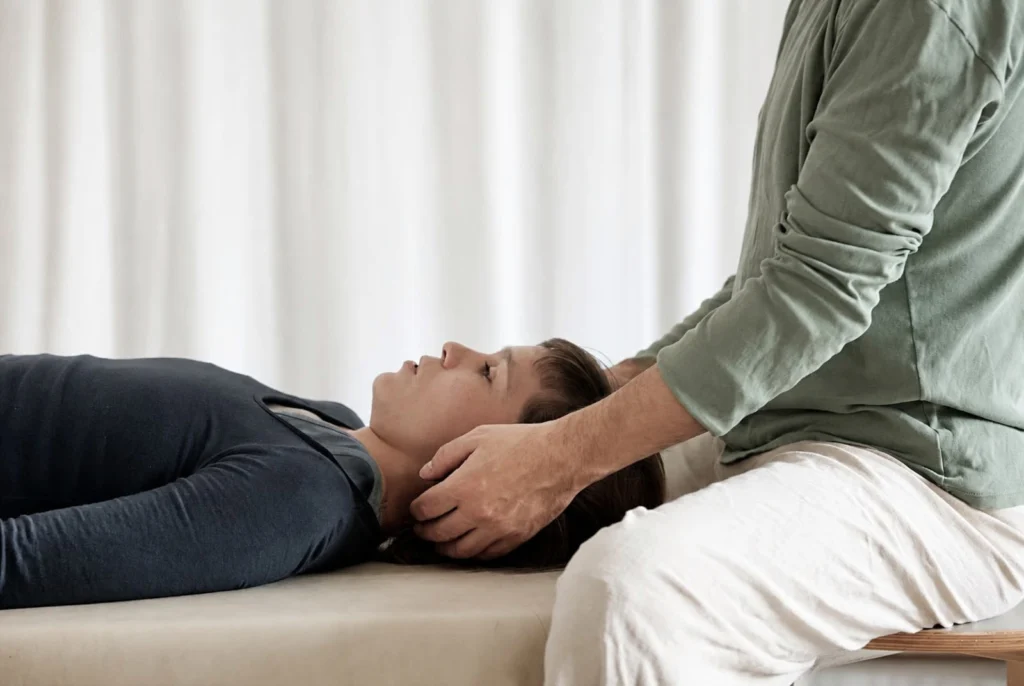
A one-to-one Feldenkrais session on a treatment table

Individual Sessions

In individual Feldenkrais Functional Integration® (FI) sessions, I’ll move you gently and slowly so your nervous system can sense new sensory connections and ways of organising yourself to move.

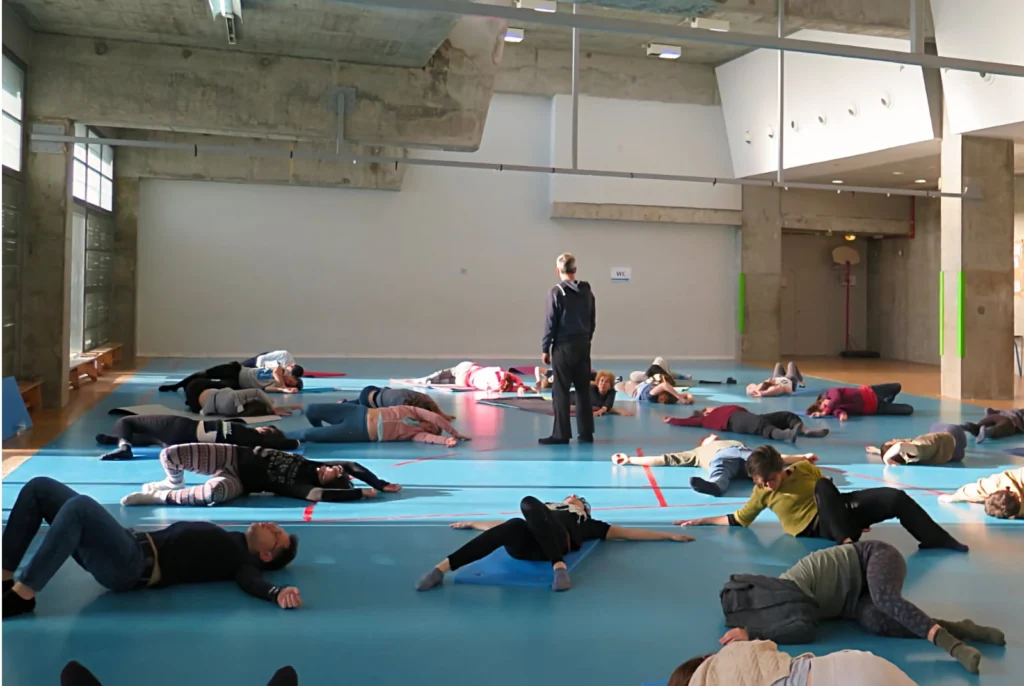
A Feldenkrais group class lying on mats in a gym hall

Group Classes

Feldenkrais Awareness Through Movement® (ATM) classes are like moving puzzles which we are guided through verbally. This leaves us free to play while we attend to our inner world of sensation.

More benefits

Improving how we move through life
Sparking creativity and curiosity
Maintaining health as we grow older
Supporting our children to fulfil their potential
Promoting relaxation and mindfulness
Preventing injury and reducing pain

Join my mailing list

Occasional news of classes, workshops and new writing.